There is one kind that likes to bully children most.
A "virus" that makes children have stomachache, vomiting and diarrhea.
That’s norovirus.

Characteristics of norovirus
Strong infectivity
Low infection dose (about 18 virus particles can cause disease)
Long detoxification time
Short immune protection time
Norovirus has strong environmental resistance.
Norovirus can survive in the temperature range of 0℃-60℃, 2 weeks on the surface of objects and more than 2 months in water.
Alcohol is ineffective against norovirus.
Alcohol and hand sanitizer without washing have no inactivation effect, but norovirus can be inactivated by using chlorine-containing disinfectant with higher concentration (residual chlorine concentration is more than 10mg/L after sewage treatment for 1 hour).
The incubation period of norovirus infection is short, usually 24-48 hours, the shortest 12 hours and the longest 72 hours.
The most common symptoms are diarrhea and vomiting, followed by nausea, abdominal pain, headache, fever, chills and muscle aches.
Vomiting is the main symptom in children, while diarrhea is the main symptom in adults.

How does Norovirus spread?
Norovirus is mainly excreted through patients’ feces and vomit, and recessive infected people can also detoxify. Therefore, patients infected with norovirus and recessive infected people are the sources of infection of norovirus.
Contact can infect: contact with the patient’s vomit or excrement; Or indirectly contact with objects contaminated by vomit or excrement.
Eating can infect: eating food contaminated with norovirus.
Drinking water can cause infection: drinking water contaminated by norovirus.
Special attention should be paid to:
★ Bivalves such as oysters can enrich norovirus in seawater and are high-risk foods.
★ Most outbreaks caused by food-borne transmission are caused by kitchen workers infected with norovirus polluting food.

Norovirus prevention method
1. Pay attention to hand washing hygiene, and wash your hands carefully with soap and water frequently.
2. Fruits and vegetables should be carefully washed before eating, and seafood should be eaten after deep processing. Norovirus has strong resistance and can still survive at 60 degrees or after rapid steaming.
3. Advocate drinking boiled water, which should be boiled before drinking.
4. Children infected with norovirus should stay away from kitchens or food processing places.
5. Patients infected with Norovirus cannot process food or accompany other patients within 3 days after their illness.
6. Once the patient’s vomit is found, it should be disinfected with chlorine-containing disinfectant for 20 minutes first, and then cleaned up. Cleaning tools should also be disinfected. Cleaning personnel should wear protective articles such as gloves and masks and wash their hands carefully.

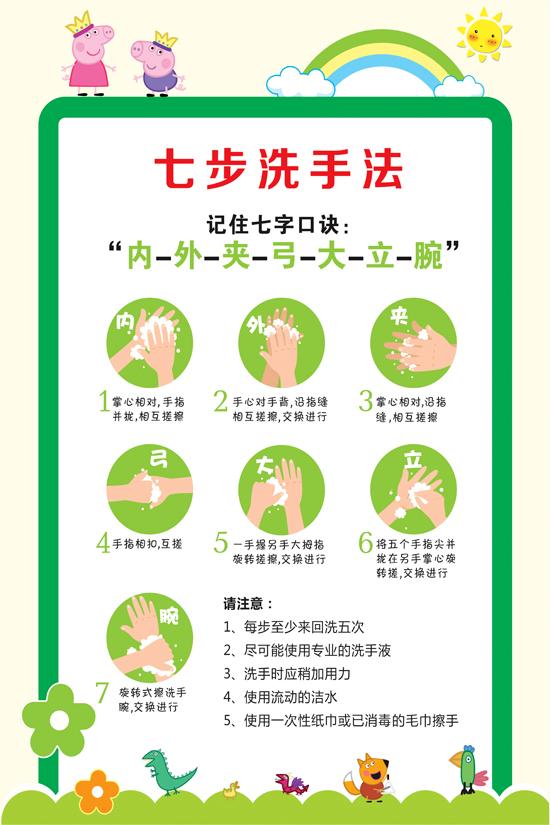
Tips
1. Although Norovirus usually heals itself, its infection ability is extremely strong and it spreads rapidly, so it is necessary to disinfect and seek medical treatment in time.
2. Do preventive work, avoid taking children to crowded places, and avoid eating unsafe food and drinking water.
3. Health education for children to help them develop good personal hygiene habits.
4. Don’t go to kindergarten, try not to go to public places, and tell the teacher the situation in time.
5. After the child has symptoms of norovirus, he should seek medical advice in time.
6. Don’t use antibiotics indiscriminately to prevent the virus from developing drug resistance.
Original title: "Warm Tips for Preventing Norovirus in the Center for Disease Control and Prevention in Qianjin District"
Read the original text

关于作者