[Editor’s note]
Investigation and research is our party’s ace in the hole. Promoting high-quality development with solid investigation and research is the proper meaning of being responsible to the people and standing firm on the people’s stand.
General Secretary of the Supreme Leader has repeatedly stressed that food security is "the biggest country" and cultivated land is the lifeblood of food production. On the journey of promoting rural revitalization and consolidating the foundation of food security, farmland protection is undoubtedly a top priority.
Pujiang town, as the largest town in Minhang District, has the heaviest task of farmland protection, and its illegal land use problem of "non-grain" is more prominent. How to promote rectification and protect people’s livelihood? Citizens have insufficient awareness of farmland protection. How can relevant departments coordinate? Let’s take a look at the research notes of Liu Zefeng, a member of the party group and deputy director of Minhang District Planning and Resources Bureau.
Pujiang town is the town with the largest area under the jurisdiction of Minhang District, and it is also the town with the heaviest task of farmland protection in the whole region. In terms of illegal land use for "non-food", pujiang town has a more prominent problem in all districts. I am determined to dig deep into the root causes and conduct in-depth analysis, and lead a team to pujiang town to carry out on-the-spot investigation on the rectification of the "non-food" problem.
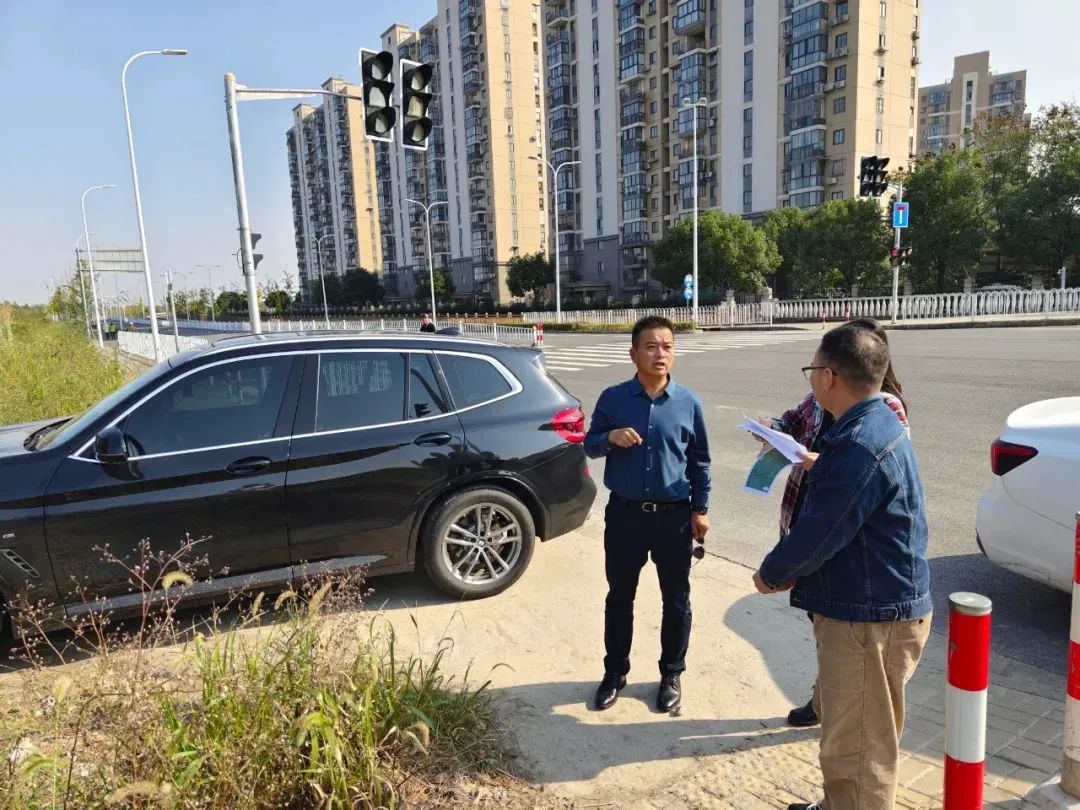
Visit villages and conduct field research.
Through a visit to five villages in pujiang town, I investigated the illegal land use sites of "non-grain", listened to the report of the Town Planning and Construction Office, communicated with the leaders of village committees and cooperatives, and learned the actual situation from the villagers. Based on the field investigation, I held a communication meeting to study and analyze the situation that pujiang town’s "non-grain" illegal land use is frequent and difficult to rectify.Summarized several obvious problems in pujiang town’s "non-food":
01 Promoting rectification and protecting people’s livelihood are facing a dilemma
I was deeply impressed by two rural roads in this survey. Judging from the situation on the spot, the road construction time is not long, and it is the only access for the people nearby. Two years ago, in order to solve the difficulties of inconvenient travel and long detours for the people, the village poured these two rural roads with cement. When pujiang town implemented the rectification of these two "non-food" problems, it was faced with the "dilemma" between the rectification task and the actual travel needs of ordinary people, and it was delayed.
The awareness of cultivated land protection of village committees and cooperative leaders is not enough.
Through investigation and interview, I found that some village committees and cooperative leaders still have a poor understanding of farmland protection at the level of not being able to build houses, and have little understanding of land use control policies. Some villages plant trees and turf, plant fruit trees and seedlings, and dig rivers on cultivated land for the collective economic benefits and living environment of villagers. It cannot be said that their starting point is wrong, but in terms of policy understanding and operation mode, it is obviously out of touch with the relevant departments of the city, district and town.
03 Need to coordinate multiple departments as a whole
The rectification of the problem of "non-food" is not only a road of demolition and reclamation, but also innovative ideas and initiative. Town planning and construction office often falls into the dilemma of "going it alone" when promoting the rectification of "non-food" problems, and faces the constraints of departmental coordination and pre-materials when completing the formalities, so it is not active enough.
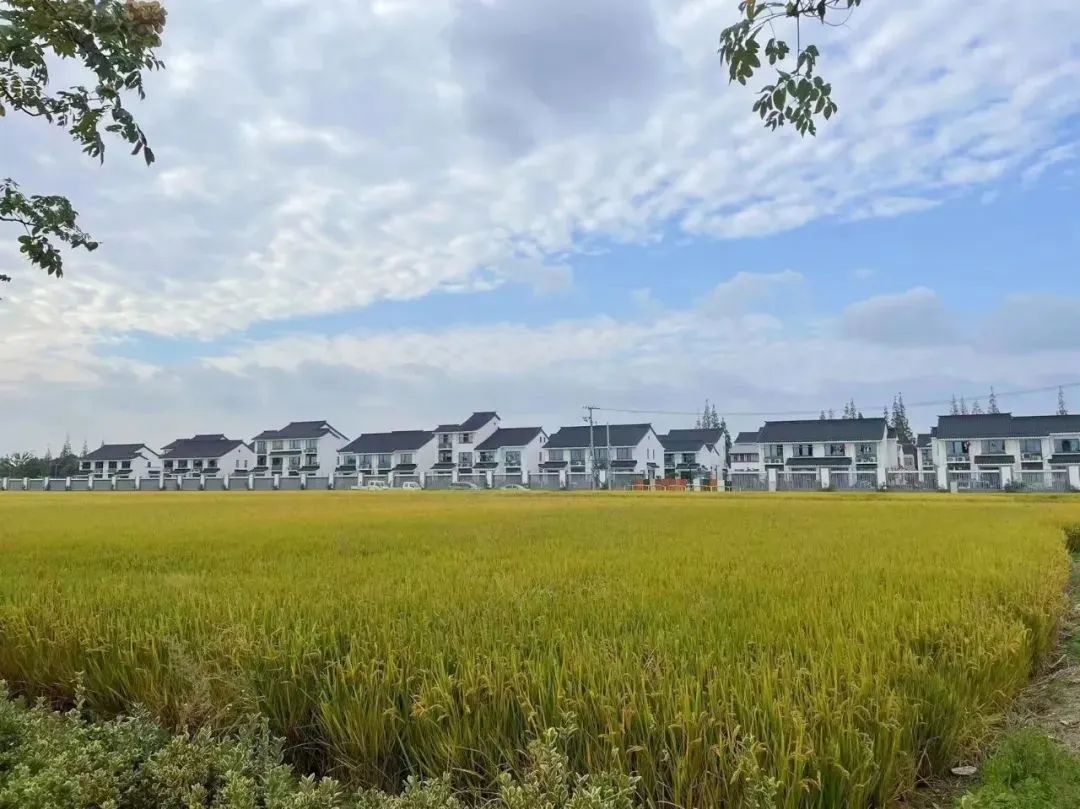
We adhere to the working principle of "classifying policies, respecting reality, not only implementing rectification, but also simplifying and cutting across the board" to promote rectification and protect people’s livelihood. At the same time, we should grasp the bull’s nose of thinking and understanding, take mechanism construction as the starting point, solve the source problem, achieve long-term governance, and ensure that the "iron rice bowl" of food security is stable and firm.
The first is to classify policies to promote rectification.According to the actual situation of the project and the applicable policies, we divided the illegal land used for "non-graining" into three types of disposal. First, 24 cases of reclamation were demolished. Our law enforcement brigade and pujiang town went all out to promote rectification, which was completed by the end of October; The second is 9 cases of re-issuance procedures. At present, the re-issuance path has been clearly defined and is being implemented; The third is to transfer 3 cases (2 rural roads and 1 river) from the list, and the Municipal Planning and Resources Bureau has agreed to transfer the list of "non-food-oriented" problems.
The second is to meet difficulties and protect people’s livelihood.In view of the historical legacy projects related to people’s livelihood, such as rural roads, I insist on careful judgment, facing difficulties and taking positive actions. After careful combing and retrieval of images and other materials, combined with the field investigation, we found that two rural roads had existed in the form of dirt roads before the introduction of the policy in 2021, which were identified as cultivated land together with the adjacent irrigated land during the land investigation, and were subsequently investigated as rural roads after cement pouring.
Accordingly, I actively communicated with the Municipal Bureau, strived for the support of the Municipal Bureau, carefully prepared the project materials, and together with three river projects with similar situations (1 in pujiang town and 2 in Huacao Town), I submitted a written proof to the Municipal Bureau and applied for a list of questions. After a series of communication efforts, the above five projects were approved by the Municipal Bureau and the list of problems was called up, which not only guaranteed the people’s livelihood needs to the greatest extent, but also avoided affecting the overall renovation progress of the district.
The third is to strengthen publicity and understanding.We should vigorously do a good job in front-end governance, effectively strengthen the publicity and training of village committees and cooperative leaders, and strengthen the awareness of land use control policies and farmland protection responsibilities. District and town functional departments should often go to the village to have a look, communicate with farmers, think about what the masses think and worry about them, and solve problems for them. Coordinate land use control with the vital interests of farmers, stimulate farmers’ enthusiasm for agricultural production, especially grain production, truly benefit farmers, and build a new pattern of coordinated development of cultivated land protection and rural revitalization.
The fourth is to establish rules and regulations to promote co-management.Cultivated land protection is not a matter of planning and resource system alone. It is necessary to effectively promote the construction of joint responsibility mechanism and form a working mode of horizontal to edge, vertical to the end and coordination. On the basis of signing the letter of responsibility, we will comprehensively compact the cultivated land protection, and the party and government will share the same responsibility, forming a good atmosphere in which the districts, towns and villages are responsible, responsible and conscientious. In the next step, we will work with the District Agriculture and Rural Committee to incorporate "non-food" into the assessment of the revitalization of towns, villages and villages, and strengthen supervision and restraint.
I also summed up the experience gained in the investigation in pujiang town in time, and actively promoted the solution of the problem of "non-grain" in the whole region. Every inch of land is related to the national economy, and a ridge and an acre carry people’s livelihood. On the road of exploring and perfecting the protection of cultivated land, I dare not relax at all times.

关于作者