New dramas in Song Joong Ki and Cho Seung-woo are not good enough: How does Netflix affect the production of Korean dramas?
Article | 澎湃 has a play
Author | Cong Yi
Nowadays, in the production of Korean dramas, "two days of ice and fire" has become the normal state, with drought dying and waterlogging dying. If it is a series produced by a small production company, broadcast on a TV station with low ratings, and only launched on a local streaming media platform in South Korea, the production funds are often stretched, because the population of South Korea is 52 million, TV viewers are constantly losing, and the carrying capacity of the local market is limited. Since Netflix entered Korea in a big way in 2018 and increased cooperation with TV stations with the right to speak in Korea, Netflix has also participated in investing in Korean dramas. These Korean dramas are also broadcast on Netflix in addition to local TV stations. In terms of production funds, they are naturally not bad money.
Therefore, in recent years, most of the Korean dramas invested by Netflix have a production cost of 10 billion won (equivalent to 57.65 million yuan), and the number of episodes is generally 16 episodes. If top hallyu star or Korean first-line actors are involved, the production funds will be doubled. Like Hyun Bin and Park Shin Hye’s Memories of Alhambra in 2018, the production cost of 16 episodes is 20 billion won (equivalent to 115 million yuan); In 2019, Song Joong Ki’s "Asda Chronicle", the production cost of 18 episodes was 54 billion won (equivalent to 311 million yuan); In 2019, Lee Seung Gi starred in "The Odyssey", and the production cost of 16 episodes was 25 billion won (equivalent to 144 million yuan); In 2020, Lee MinHo’s "The King: The Forever King" will cost 32 billion won (equivalent to 184 million yuan) to produce 16 episodes.

The ratings of Asda Chronicle fell short of expectations.
Vincenzo, starring Song Joong Ki, and Sisyphus: Myth, starring Cho Seung-woo and Park Shin Hye, which started broadcasting almost at the same time some time ago, are all 16 episodes, and their production expenses have reached 20 billion won. Together with other Korean dramas mentioned above, they all accepted Netflix’s investment and broadcast on Netflix simultaneously.
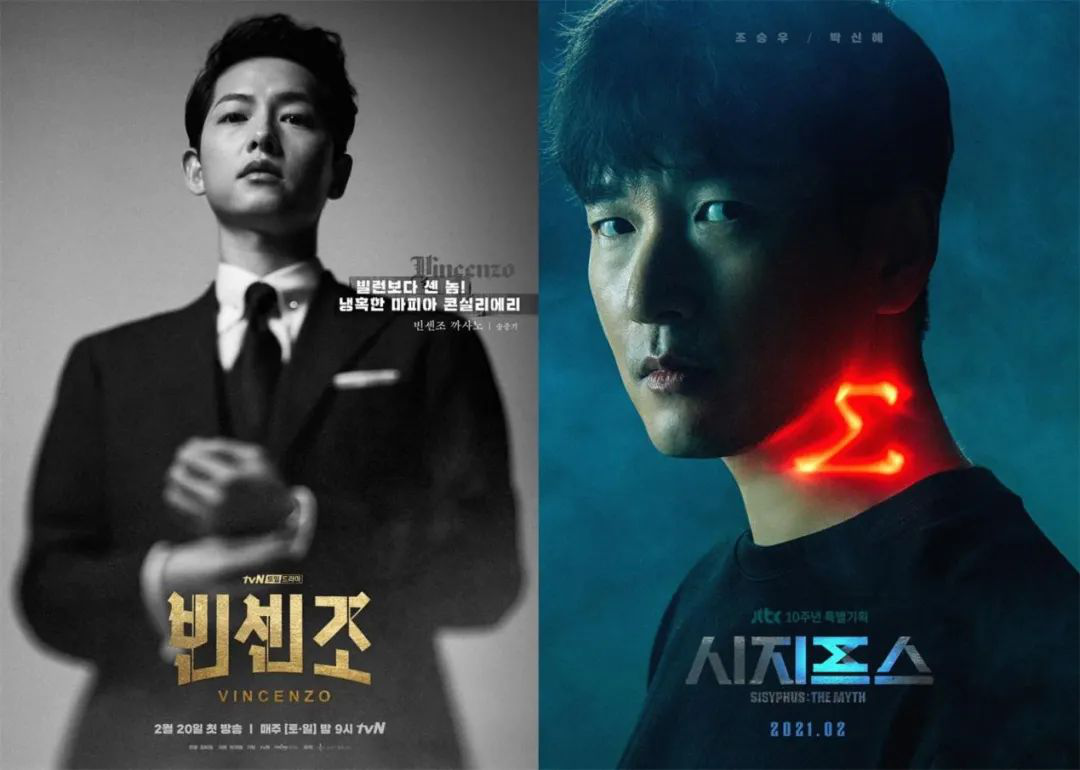
Posters of Vincenzo and Sisyphus: Myth
These Korean dramas also present new features. In addition to big investment, big production and big stars, what is more crucial is the shift of content. At this stage when the Korean Wave swept across Asia, the top stream of Korean dramas was romantic idol dramas. Seemingly old-fashioned genre drama, Korean screenwriters do Dojo in snail shells, constantly bringing forth new ideas, and the whirlwind of South Korea’s Ouba blows for a while. Hyun Bin, Zo In Sung, Song Joong Ki, Kim Soo Hyun, Lee MinHo and other Korean superstars have at least one or two explosive idol dramas.
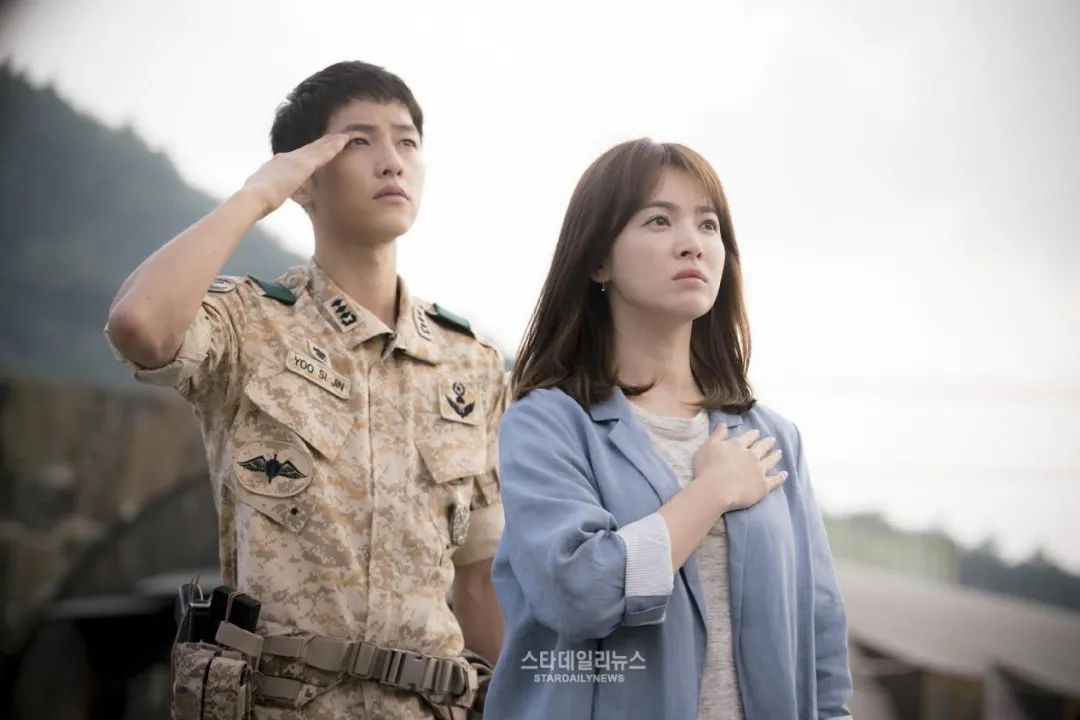
Song Joong Ki’s popularity is inseparable from Descendants of the Sun.
After the Korean Wave’s entry into China was blocked and Netflix’s investment came in, the Korean Wave entered a new stage, and there was also a world-class publicity platform. Although "Kingdom" screenwriter Jin Enxi’s statement that "Netflix only gives money without giving advice" is widely circulated on the Internet, it is somewhat misunderstood. The fact is that Netflix does exert a subtle influence on the creation of Korean dramas. After all, for Korea, which is based on culture, the Korean Wave not only has the function of creating foreign exchange, but also undertakes the mission of exporting Korea’s national image and building its cultural soft power.
From Song Joong Ki’s Asda Chronicle in 2019 to Song Joong Ki’s Vincenzo in 2021, the Korean dramas produced by Netflix have a great change with the naked eye: they try to go global from South Korea and have a stronger international color.
The Chronicle of Asda breaks away from the category of South Korea, trying to explore the origin of human civilization through the power struggle between tribes in the primitive period of mankind-what a grand proposition; Memories of the Alhambra are almost all shot in Spain, and a lot of scenes of The Odyssey are shot in Morocco. In the parallel world of "The King: Forever Monarch", the GDP of the Korean Empire is the fourth in the world, and there is a war between Japan and South Korea, and the king of South Korea personally goes to war …

Memories of Alhambra, which was filmed in Spain.
Vincenzo also bears the brand of internationalization. Vincenzo, played by Song Joong Ki, is a legal adviser to more than 10,000 people under the Italian mafia, killing all sides in Italy.
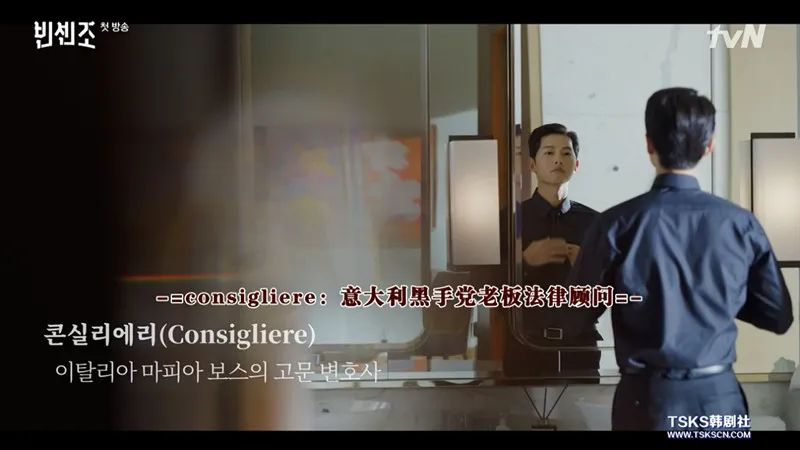
Vincenzo’s personnel design
In terms of story theme and narrative mode, these Korean dramas also began to learn from the characteristics of American dramas and Hollywood blockbusters, trying to integrate them with the local background, characters and familiar story types in Korea. Therefore, themes such as power struggle and science fiction are particularly favored.
Scolding the chaebol and fighting for power is the specialty of Korean film and television dramas, which is also just needed by audiences all over the world. The Korean dramas produced by Netflix are just "intensified", which makes the conspiracy of collusion between power and money even more sensational. For example, American arms dealers were also involved in The Odyssey, and the chaebol in Vincenzo openly sold drugs in the name of drug research and development ….. all of which scared foreign audiences.
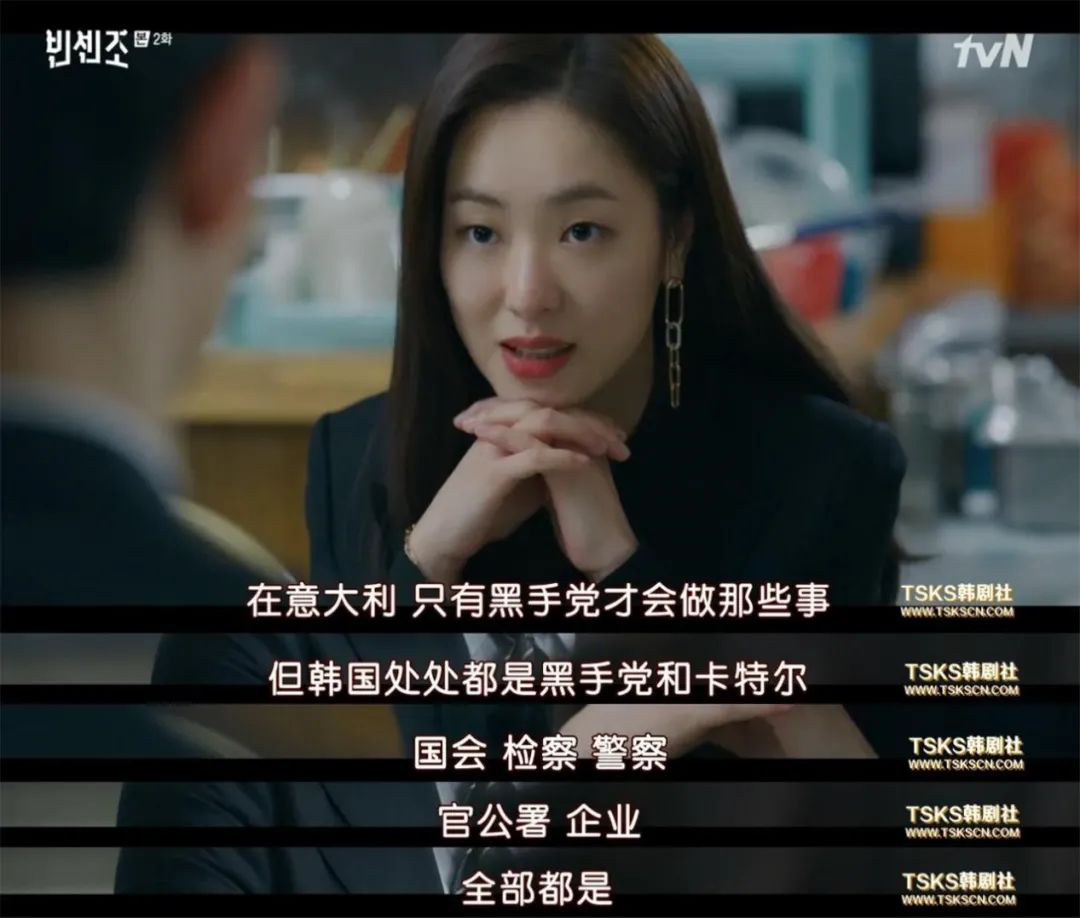
Korean dramas have always spared no effort since the blackout.
The theme of science fiction is cross-border, which is also an attempt to make Korean dramas on Netflix. Memories of Alhambra is a shuttle between the real world and the game world. This time, "Sisyphus: Myth" was even bigger, and the past and the future shuttled back and forth. And its worldview setting is more complicated. Anyway, it is to stew all kinds of elements in Terminator, Ring Messenger, Special Police in Time and Space, and Flippers in Tenet. If you feel dizzy watching Nolan’s Tenet, it’s almost a feeling to clarify the setting of Sisyphus: Myth. What’s more frightening is that it is a drama series with more redundant and invalid plots.
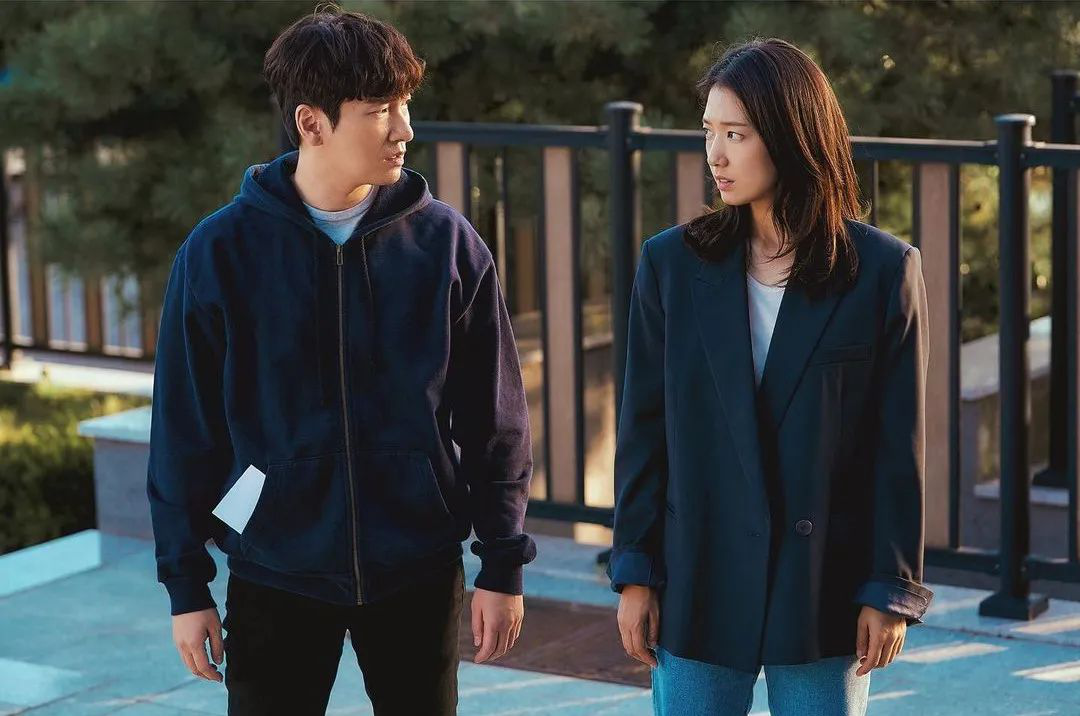
Stills of Sisyphus: Myth
"Vincenzo" and "Sisyphus: Myth" are all bigger, but unfortunately, their word-of-mouth is not ideal. The effect of Song Joong Ki’s Vincenzo in China is far less than that of Descendants of the Sun, and the douban score is only passing. Cho Seung-woo’s "Secret Forest 2" is a deity, and "Sisyphus: Myth" makes many Korean fans’ filters on Huang Shimu break.
He is my brother has a good reputation.
What’s the problem?
The success of Netflix original dramas such as Kingdom, Ring if you like, Classroom on Earth and Sweet Home is due to the practice of "local is the world". Then, the Korean drama giant system that Korean local TV stations cooperate with Netflix has some themes first, and there is a very stiff collage between the local and the world. For example, Vincenzo set fire to the manor in Italy, which is a typical Korean obscenity. In the next plot, Vincenzo returned to China and was immediately looted by unscrupulous robbers, which made Vincenzo’s personnel appear divided.
"Sisyphus: Myth" is full of embarrassment that the screenwriter is ambitious and incompetent. It can be seen that the screenwriter has seen countless time-travel movies and borrowed a lot of elements, but he can’t fall into an effective local story framework. Complex settings are gaudy, big action scenes are dazzling, but the story is not attractive.
Another problem is that actors and people are bigger than roles.
The audience can’t forget Liu Shizhen in Song Joong Ki and Huang Shimu in Cho Seung-woo, which can’t be separated from the novel design and wonderful performances, but the most fundamental thing is that the characters are reasonable and self-consistent in the story, and the logic of the characters has not given way to the design or the personal charm of the actors.
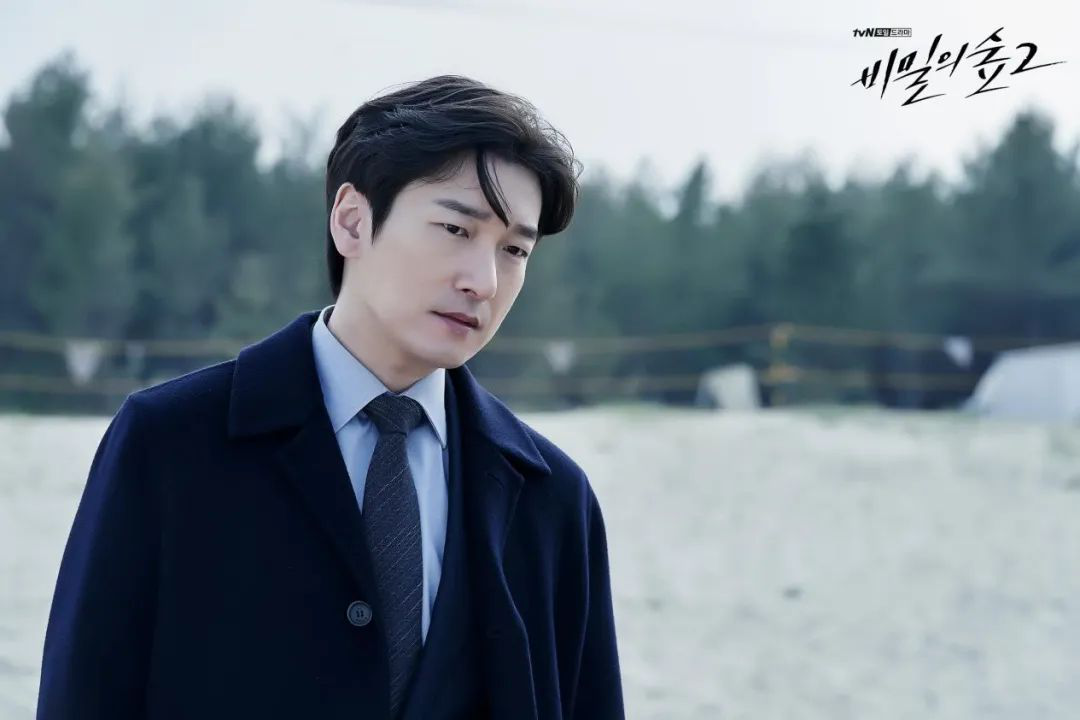
Cho Seung-woo plays Huang Shimu in Secret Forest 2.
Netflix’s original Korean dramas don’t pay so much attention to the lineup of Cass, and "Human Classroom" and "Sweet Home" are all new actors, and they have a good reputation. Korean dramas that cooperate with TV stations pay more attention to the lineup of cass. On the one hand, TV stations need the help of big stars to attract investment, on the other hand, TV stations also need the help of Korean superstars to persuade Netflix to invest. Therefore, the Korean dramas that TV stations cooperate with Netflix all try their best to highlight the charm of Korean superstars in the dramas.

Sweet Home is a newcomer Song Jiang.
To be fair, Vincenzo is not ugly, and the plot is getting better and better, and the ratings are rising. However, if you have seen the previous successful Hot Blood Priest, you will be disappointed with Vincenzo, because the themes of the two Korean dramas are basically the same as those of the characters, except that Jin Nanji-Lee Ha Na is replaced by Song Joong Ki-Quan Rubin, and the former is more relevant to the characters. "Vincenzo" makes Song Joong Ki pose handsomely. Handsome is really handsome, but actor Song Joong Ki is bigger than Vincenzo.
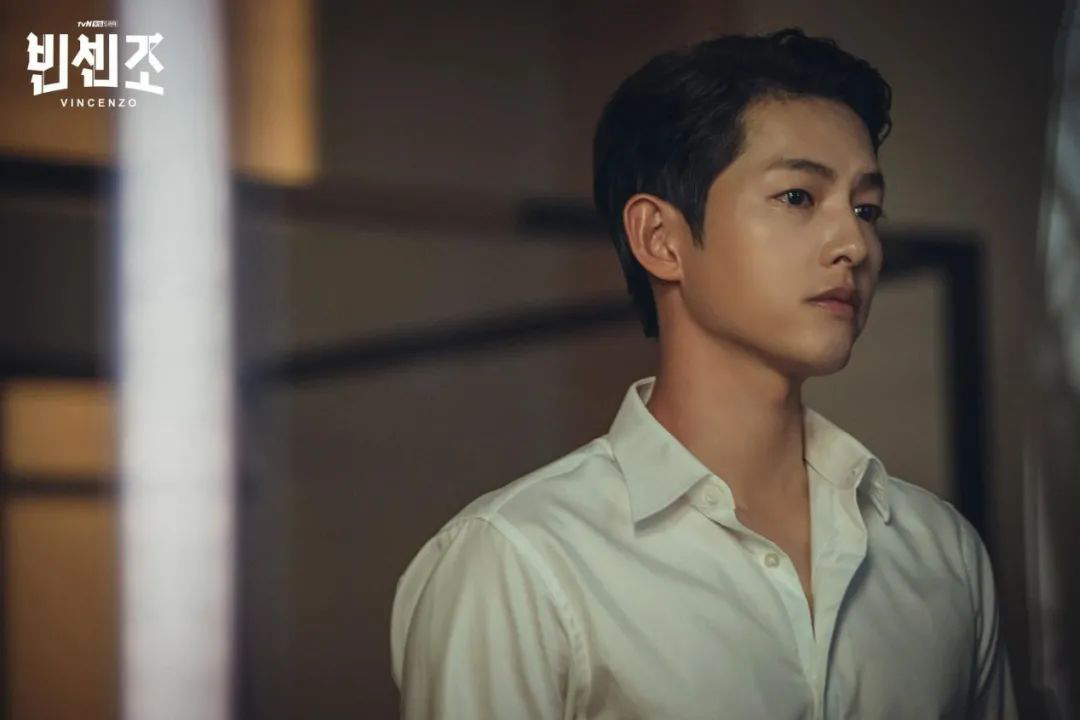
Song Joong Ki’s modeling
"Sisyphus: Myth" is hardly satisfactory. It is a typical case in which the role is distorted due to the fact that people are set more than the role. How exaggerated is Cho Seung-woo’s Han Tai Shu? He can repair airplanes with his bare hands, is an expert in bomb making, is the founder of Quantum Time in a listed company, and is a talented engineer … He is simply possessed by a superhero. You see, he can do almost anything, and every narrow escape will not bring you real tension, and the audience can’t reach emotional resonance with him.
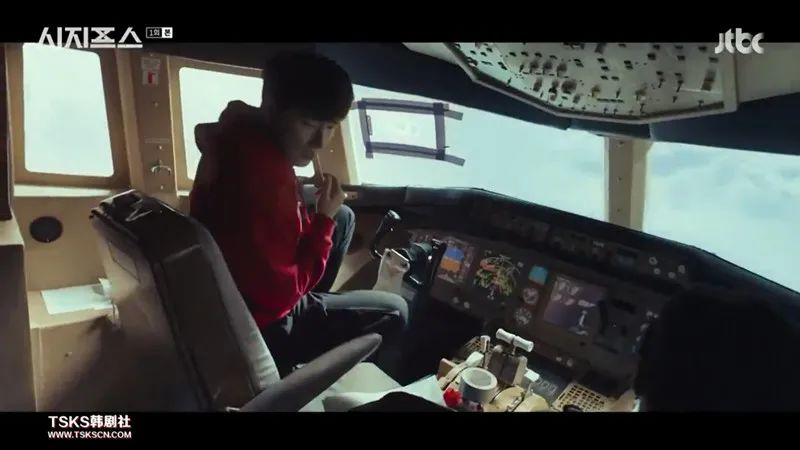
Hankook repairs airplanes.
Korean dramas have become Netflix’s most important layout in Asia. Netflix said that in 2021, Netflix will invest 500 million US dollars in Korean content production. This is undoubtedly enviable. Netflix not only gives blood to Korean dramas, but also provides an excellent opportunity for Korean Wave to go out.
However, it also contains challenges. Korean dramas with big production, big investment and big stars are more likely to explode, but in the final analysis, they are inseparable from good scripts. The screenwriter-centered system is the core competitiveness of Korean dramas. If the role and actor are put before the horse in order to cater to the superstar of the Korean Wave, and the actor overwhelms the role, even if the audience watches it for the actor, they will choose to abandon the drama because of the collapsed plot.
-